Symptoms that point to the pipes
A single pinhole leak is an isolated event. A pattern is information. These are the patterns that suggest the supply pipes are wearing out as a system.
- Pressure that has dropped at every fixture, slowly, over years.
- Brown or orange water, especially after the water has been off.
- More than one leak in different places, within a short time.
- Pipes that are visibly corroded, flaking or green at the joints.
- A home built before about 1970 that still has its original supply piping.
A leak that is isolated is a leak detection and spot repair job. A pattern is when repiping enters the conversation.
What the pipe in an older home tends to be
| Era | Common supply pipe | How it fails |
|---|---|---|
| Before 1950 | Galvanized steel, sometimes with lead service lines | Rust builds inside, narrowing the pipe and cutting pressure |
| 1950 to 1980 | Copper, or galvanized in early years | Pinhole leaks and failing solder joints |
| 1980 to 2000 | Copper, and in some regions plastic polybutylene | Joint failures. Polybutylene is known to fail and is often replaced |
| After 2000 | Copper or PEX | Long lifespans, so failures are mostly local |
The ranges above are approximate. The EPA notes that lead pipes are more likely in older cities and in homes built before 1986. A lead service line is a separate question from the pipes inside, and a plumber can look at what enters your house.
What repiping involves
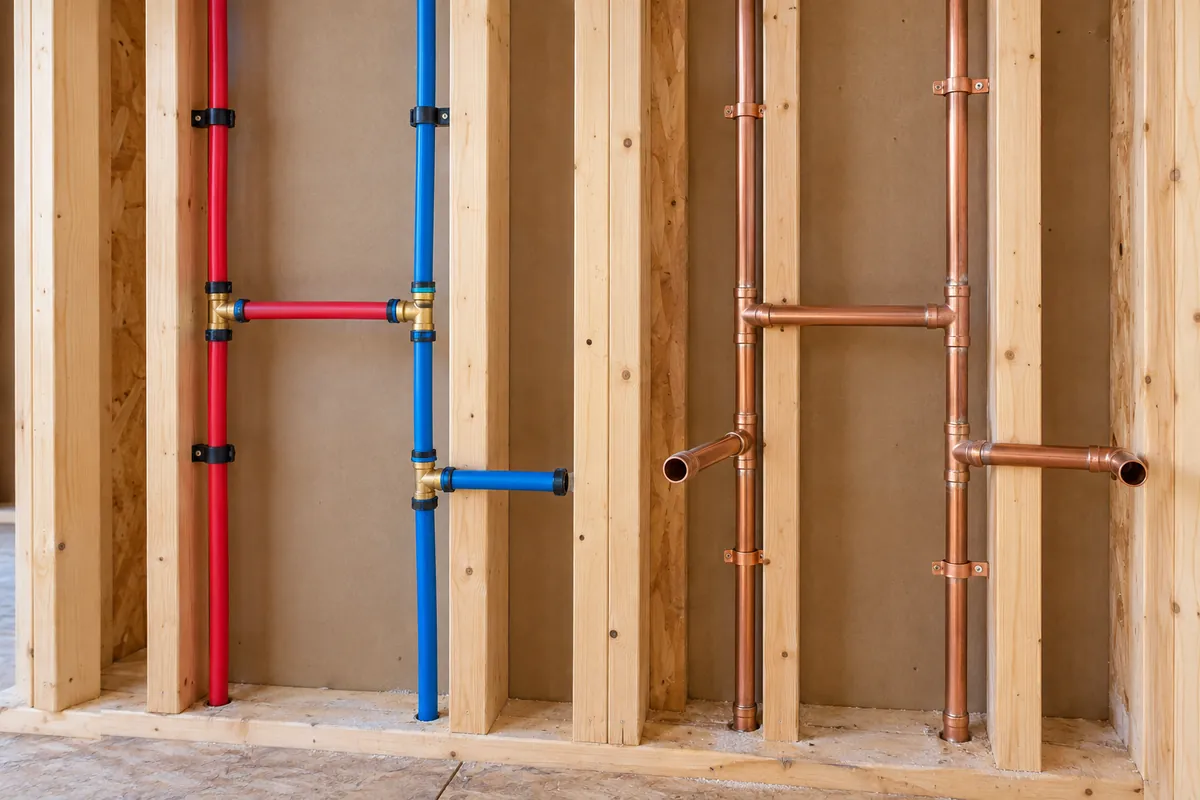
New supply lines replace the old ones, usually in copper or PEX. Plumbers open small access holes in walls and ceilings, run the new pipe and reconnect each fixture. Drain pipes are not part of a repipe, since they are a separate system.
The water is off for part of the job, often for a day or more. Many crews restore a working bathroom and kitchen at the end of each day. After the pipes are connected, the holes in drywall are patched.
What moves the price of a repipe
- The number of fixtures and the length of pipe that has to be replaced.
- How hard the walls and ceilings are to open, and how much drywall and paint must be restored afterward.
- The pipe material chosen, such as copper or PEX, since materials and labor differ.
- Whether the main shutoff, the pressure regulator or the service connection also needs work.
- Permits and inspections, where the local rules require them.
Ask for the quote in writing and ask whether wall and paint repair is included. A plumber can give a real figure only after seeing the house, so compare written estimates rather than any number you read online.
Repair now or repipe
The decision is about trend, not any single leak. If the plumber sees the same corrosion everywhere they look, then repairing one leak just moves the problem. Repiping costs more at once but replaces a system that is failing.
Ask what the plumber found where they opened the wall. A photo of the inside of a cut pipe says a lot. See burst pipe repair for what a failure in one spot looks like.
Planning around the work
Repiping affects every room. Tell the plumber about finished walls, tile and plaster. Many older houses have plaster and lath, which is harder to patch than drywall. A plumber can often route new lines through basements, closets and attics to limit the damage.
Insurance, resale and timing
Some insurers ask about galvanized or polybutylene pipe when writing or renewing a policy. If you have either, ask your insurer what they require. A repipe can also come up when a house is sold, because buyers and inspectors notice original supply pipe.
The best time to repipe is before a failure forces it. A planned job can be scheduled around the household. An emergency one cannot.